Para Special ForcesIndependent Security & Protection Confidential Enquiry

PSF / SD Self-defence & safety training

Avoid. Prepare. De-escalate. Protect.

Personal safety is mostly a matter of attention, judgement and preparation. Our training teaches people to notice early, avoid what can be avoided, calm what can be calmed — and respond lawfully and proportionately when they must.

Defensive education only. Programmes emphasise awareness, avoidance and de-escalation. They do not teach techniques for harming people, and they never encourage confrontation.

PSF / 01 The philosophy

Four words, in order of importance.

The sequence matters. The best outcome in almost any threatening situation is the one in which nothing happens at all — so our training invests most of its effort in the earliest stages, and treats physical protection as the last and least desirable option.

  1. Principle 01

    Avoid

    Most harm is prevented by not being there. Avoidance means recognising situations, places and patterns that carry unnecessary risk, and choosing differently — a different route, a different time, a polite exit. It is not fear or withdrawal from life; it is making informed choices early, while choices are still easy to make.

  2. Principle 02

    Prepare

    Preparation turns anxiety into readiness. Knowing how to call for help, where the exits are, what to carry when travelling and how a household or team will stay in touch during a disruption means that, if something does go wrong, far less has to be worked out under pressure.

  3. Principle 03

    De-escalate

    Many confrontations can be calmed. De-escalation uses composure, distance, tone, posture and respectful words to lower tension and create a way out for everyone involved. It takes more discipline than escalation, and it succeeds more often than people expect.

  4. Principle 04

    Protect

    Protection, in our training, means keeping yourself and others safe through lawful, proportionate and defensive responses: moving away, creating distance, seeking help and shielding the vulnerable. It is the final step, reached only when earlier options have genuinely run out — and always within the law.

PSF / 02 The learning pathway

From awareness to preparedness.

Programmes progress through four stages and ten modules. Each stage lays a foundation for the next. Participants can begin at the level that suits them — although almost everyone benefits from revisiting awareness.

Stage 01 · Foundation

Awareness

Seeing the situation clearly is the basis of every good decision. This stage builds relaxed, sustainable attention and everyday safety habits.

M.01

Situational awareness

Situational awareness is the habit of noticing what is happening around you without becoming anxious about it. Participants learn how attention narrows under distraction and stress, how to establish a sense of what is normal in a place, and how to recognise behaviour or circumstances that depart from it. The emphasis is on attention that fits comfortably into everyday life — putting the phone away at the right moments, choosing where to sit, noticing exits — rather than constant suspicion.

  • Baselines of normal
  • Attention & distraction
  • Early warning signs
M.02

Personal safety

Personal safety brings awareness into daily routines: at home, commuting, socialising and online. Sessions cover sensible habits around personal information, the predictability of routines, safety when alone or late at night, and how to trust and act on the feeling that something is not right. Content is practical and never alarmist, and is adapted for different ages, circumstances and levels of confidence.

  • Everyday routines
  • Digital footprint
  • Trusting instinct
Stage 02 · Prevention

Avoidance

The most effective protective skill of all. This stage applies awareness to the places people actually live, travel and work.

M.03

Threat avoidance

Participants learn to recognise when a situation is developing in a concerning direction and to leave, redirect or disengage before it becomes a confrontation. Topics include planning routes and timings, positioning in public spaces, favouring well-lit and populated areas, and the social confidence to walk away politely — without feeling that doing so is a failure. Avoidance is not cowardice; it is the choice that keeps everyone safe.

  • Recognising escalation
  • Leaving early
  • Safer choices
M.04

Travel safety

Unfamiliar places change the picture. Travel safety covers research before departure, keeping trusted people informed of plans, choosing accommodation and transport sensibly, managing documents and valuables, and understanding that local laws, customs and emergency arrangements may differ from those at home. Sessions can be tailored for business travellers, students, families and people travelling alone.

  • Pre-travel research
  • Accommodation & transport
  • Local law & customs
M.05

Workplace safety

Workplaces bring their own considerations: lone working, public-facing roles, late shifts, visitors and difficult conversations. Training helps staff recognise concerns early, follow their organisation’s policies, use reporting routes with confidence and look out for colleagues. It complements — and never replaces — an employer’s legal duties, risk assessments and health-and-safety procedures.

  • Lone & public-facing work
  • Reporting routes
  • Organisational policy
Stage 03 · Composure

De-escalation

When a situation cannot simply be avoided, composure and good judgement are what bring it to a safe end. This stage builds both.

M.06

De-escalation

De-escalation is the skill of calming a tense encounter so that it ends without harm. Participants learn how stress affects behaviour — including their own — and how tone of voice, pace, posture, distance and respectful language can lower the temperature. Guided role-play, conducted safely and with consent, lets people practise staying composed and offering a way out, while recognising when disengaging and seeking help is the wiser choice.

  • Composure under pressure
  • Verbal & non-verbal calm
  • Knowing when to disengage
M.07

Defensive awareness

Defensive awareness is about understanding, not fighting. It covers keeping distance, staying positioned so that leaving remains possible, protecting others who may be vulnerable, and how the law generally views proportionate, defensive responses. It deliberately excludes instruction in strikes, restraints or weapons. The aim is a clear-headed grasp of lawful options, so that participants are neither frozen by uncertainty nor tempted into unnecessary confrontation.

  • Distance & exits
  • Protecting the vulnerable
  • Lawful, proportionate options
M.08

Confidence & decision-making

Under pressure, people often hesitate, second-guess or act rashly. This module helps participants make simple decisions quickly and calmly: recognising the choice in front of them, putting safety ahead of pride or property, and acting on it. Confidence built through understanding and practice also changes how people carry themselves, which can in itself make them less likely to be singled out.

  • Simple decision rules
  • Safety over property
  • Assured presence
Stage 04 · Readiness

Preparedness

Emergencies are rarely dramatic, but they are always easier to handle for people who have thought about them in advance.

M.09

Emergency response

Emergencies are far more often medical or environmental than violent. Participants gain awareness of how to call emergency services clearly and what information to give, the basics of first-aid awareness — and the value of recognised first-aid training from an appropriate provider — and how to follow evacuation procedures in buildings and public spaces. The emphasis is on calm, early action and supporting others until professional help arrives.

  • Calling for help
  • First-aid awareness
  • Evacuation awareness
M.10

Basic preparedness

Basic preparedness means thinking ahead in ordinary, sensible ways: knowing the emergency numbers where you live and travel, keeping essential information and supplies to hand, agreeing how family members or colleagues will reach one another during a disruption, and knowing where to meet if a building has to be left. Small, practical preparations considerably reduce confusion when something unexpected happens.

  • Household & team plans
  • Essential information
  • Staying in touch

PSF / 03 Who it is for

For everyday lives and working teams.

No prior experience or particular level of fitness is required. Programmes are built around participants’ real lives and responsibilities, and delivered in a respectful, inclusive and supportive way.

  1. 01

    Individuals

    People who want to feel more confident in daily life — commuting, socialising, studying or living alone — learning at their own pace.

  2. 02

    Families

    Households who want shared, age-appropriate habits, from children’s awareness to agreed plans for travel and disruptions.

  3. 03

    Professionals

    People whose work involves travel, public contact, lone working or visibility, and who want practical skills that suit their role.

  4. 04

    Teams

    Groups who work together and benefit from a common language for awareness, reporting, de-escalation and emergencies.

  5. 05

    Organisations

    Employers seeking training that complements their duty of care, policies and risk assessments across sites and staff groups.

PSF / 04 Tailored programmes

Shaped around people, places and purpose.

No single curriculum suits a family preparing to relocate, a team of lone workers and a group of frequent business travellers. Every programme begins with a conversation about who will take part, what they are concerned about and the settings in which they live, work or travel. From that, we propose content, emphasis and a format that fit.

Sessions are practical, discussion-led and paced to the group. Physical participation is always optional and adapted to ability, and any role-play is conducted safely, with consent and with appropriate supervision. Content reflects the legal context of the places where participants live and travel.

  1. T.01

    Participants

    Ages, roles, experience, accessibility needs and levels of confidence.

  2. T.02

    Environments

    Homes, workplaces, commutes, campuses and travel destinations.

  3. T.03

    Concerns

    The specific issues or events that prompted the request for training.

  4. T.04

    Format

    Individual, small-group or organisational sessions, with refreshers where helpful.

  5. T.05

    Legal context

    The jurisdictions whose law participants need to understand in general terms.

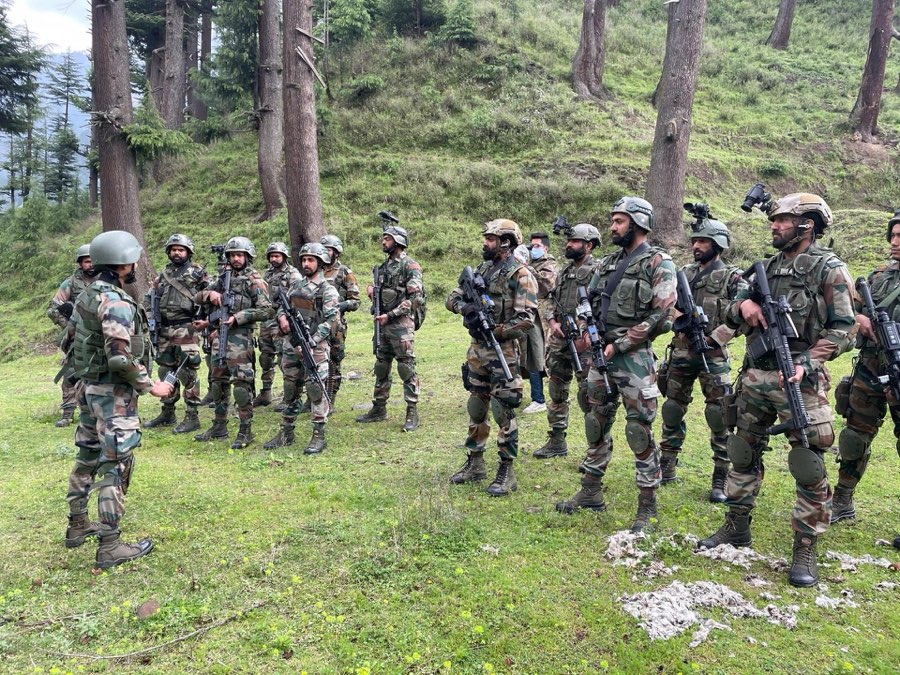
Illustrative photograph: a group of uniformed personnel gathered in a grassy clearing among tall pine trees, listening to a briefing.
Fig. 01 — Learning togetherIllustrative photograph

PSF / 05 Standards of instruction

Instruction grounded in responsibility.

Training is delivered by appropriately qualified instructors whose experience, qualifications and suitability are verified before they teach. Good instructors are patient, clear and honest about what training can and cannot achieve.

Where instructors have former military, law-enforcement or security backgrounds, that experience is valued for the composure and judgement it brings — never as a source of authority, and only where their current engagement is lawful and permitted.

Safety instructor careers
S.01Safeguarding
Appropriate safeguarding arrangements, particularly for sessions that involve young people or vulnerable adults.
S.02Consent
Clear explanations before any practical exercise. Participation is voluntary and can pause or stop at any time.
S.03Inclusion
Content adapted for age, ability, background and confidence, with respectful treatment of every participant.
S.04Physical safety
Suitable venues, sensible supervision and exercises designed to avoid injury.
S.05Honesty
No false promises of invulnerability — only practical, realistic skills and sound judgement.

PSF / 06 The legal context

The law comes first.

The law on self-defence differs between countries, and sometimes between regions within them. In many places, a person may use only such force as is reasonable, necessary and proportionate in the circumstances — but the precise tests, the treatment of property and the expectations around retreat vary considerably. Nothing on this page, or in our training, is legal advice.

That is why our programmes place such emphasis on avoidance, disengagement and de-escalation: they are the options that keep people safe and keep them on the right side of the law. Where the legal position matters to a programme, content is framed around the relevant jurisdiction in general terms, and participants are encouraged to seek qualified legal advice on specific questions.

Participants remain responsible for understanding and complying with the law where they live, work and travel. Training confers no special status, authority or permission.

What this training is not

  • Instruction in techniques intended to harm or injure anyone
  • Weapons training of any kind, or encouragement to carry weapons
  • Preparation for confronting, pursuing or detaining people
  • A substitute for the police, emergency services or legal advice
  • A professional qualification, licence or authority of any kind
  • An endorsement of vigilantism or taking the law into one’s own hands

PSF / 08 Start on the pathway

Confidence begins with knowing where to start.

Tell us who the training is for, what prompted the enquiry and where participants live, work or travel. We will suggest a lawful, practical starting point on the pathway.

Training enquiries

Mr. Digant Sharma

+91-9769999960 im@digantsharma.com